Understanding Safety Bollards: Definition and Importance
In urban areas, maintaining safety and preventing accidents is paramount. This is where safety bollards come into play. These sturdy posts serve a crucial role in protecting both people and property from vehicular traffic. Whether installed in parking lots, pedestrian zones, or around sensitive infrastructures, safety bollards act as physical barriers that enhance safety and security. When exploring options, Safety bollards can provide comprehensive insights into the best practices and products available in the market.
What Are Safety Bollards?
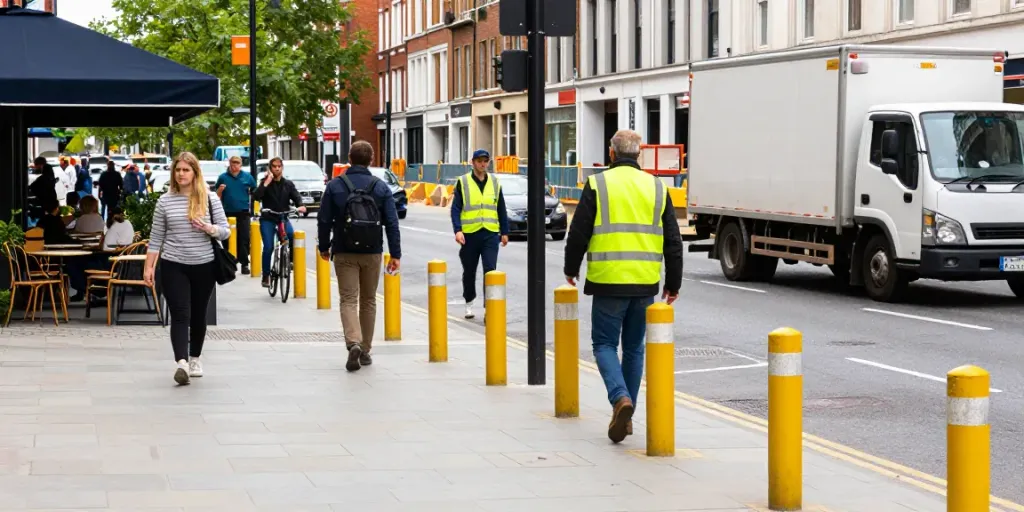
Safety bollards are vertical posts designed to withstand impact and provide a physical barrier to protect pedestrian areas from vehicle intrusions. They are common in various settings, including commercial spaces, public buildings, and urban environments. Typically made from durable materials such as steel or plastic, bollards are engineered to absorb the force of a collision, thereby preventing damage to nearby properties and safeguarding pedestrians.
The Role of Safety Bollards in Urban Design
In urban planning, safety bollards are strategically placed to define boundaries and guide traffic flow. They help create safe zones for pedestrians, reducing the risk of accidents in high-traffic areas. By offering a visual cue that delineates pedestrian pathways from vehicle routes, they contribute significantly to urban safety design. Moreover, safety bollards can enhance the aesthetic appeal of public spaces when designed creatively.
Key Benefits of Installing Safety Bollards
- Protection from Accidents: Bollards provide crucial protection against vehicles entering pedestrian zones, thereby significantly reducing the risk of accidents.
- Enhanced Security: They can deter unauthorized vehicle access in sensitive areas like government buildings, schools, and hospitals.
- Traffic Management: By clearly marking pathways and restricted zones, bollards help manage traffic flow effectively.
- Versatility: Available in various styles and materials, they can be customized to fit the urban design aesthetics of any location.
- Low Maintenance: Most bollards require minimal upkeep, making them a cost-effective safety solution.
Types of Safety Bollards: Choosing the Right One
Fixed vs. Removable Safety Bollards
When it comes to safety bollards, one of the primary distinctions lies between fixed and removable options. Fixed bollards are permanently installed and provide a steadfast barrier, ideal for high-risk areas where vehicle impact is expected. On the other hand, removable bollards offer flexibility, allowing for temporary demarcation of spaces, which is particularly useful in areas that require occasional vehicle access.
Material Considerations: Steel vs. Plastic
Choosing the right material for safety bollards is crucial for durability and effectiveness. Steel bollards are known for their robustness and ability to withstand significant force, making them suitable for high-traffic areas. In contrast, plastic bollards, while less sturdy, offer a lightweight alternative that can be advantageous in low-impact scenarios or where aesthetics are prioritized. The choice of material often depends on the specific requirements of the installation site.
Reflective vs. Non-Reflective Bollards
Incorporating reflective elements in safety bollards enhances visibility, especially in low-light conditions. Reflective bollards are often used in areas where visibility is critical, such as roadways and parking lots. Non-reflective options provide a more discreet appearance but may not offer the same level of safety during nighttime. When designing a safety strategy, it is essential to consider the lighting conditions of the installation area to ensure maximum effectiveness.
Installation Best Practices for Safety Bollards
Site Assessment and Planning
Effective installation of safety bollards begins with a thorough site assessment. Understanding the traffic patterns, pedestrian flow, and specific safety concerns of the area is essential for determining the optimal placement and type of bollards needed. Planning should also consider local regulations and guidelines regarding bollard installation to ensure compliance.
Installation Techniques and Tools Required
Proper installation techniques are crucial for ensuring that safety bollards perform effectively. Depending on the type of bollard chosen, installation may involve concrete foundations, bolt-down systems, or other anchoring methods. Tools such as drills, concrete mixers, and leveling instruments are typically required. Adhering to manufacturer specifications during installation is vital to achieve the desired strength and stability.
Compliance with Local Regulations
Every jurisdiction has its regulations regarding the installation of safety bollards. It is essential to familiarize yourself with these local laws, which may dictate specifications such as height, visibility, and materials used. Compliance not only ensures safety but also protects against potential liability issues in the future.
Case Studies: Effective Use of Safety Bollards
Successful Implementation in Busy Urban Areas
Numerous cities worldwide have seen successful implementations of safety bollards in busy urban areas. For instance, cities like New York and London have utilized robust bollard systems to protect pedestrian zones from vehicle incursions, resulting in a noticeable decrease in incidents and enhanced pedestrian safety. These implementations serve as models for how safety bollards can be effectively deployed in similar environments.
Lessons Learned from Notable Projects
One notable project involving safety bollards involved the redesign of a city plaza in Toronto, where bollards were implemented to manage vehicle access and improve pedestrian safety. The project demonstrated the importance of community engagement in planning phases, as feedback from local residents led to strategic placements of bollards that better accommodated pedestrian traffic patterns. Lessons learned from such projects emphasize the value of adaptability and community consideration in urban design.
Design Innovations in Bollard Safety Standards
The evolution of design in safety bollards has seen the introduction of smart bollards equipped with technologies such as sensors and lighting. These innovations enhance functionality, allowing for real-time monitoring and response to threats. As urban spaces continue to evolve, the integration of technology in safety solutions is likely to become more prevalent, offering enhanced protection for both pedestrians and properties.
The Future of Safety Bollards in 2026 and Beyond
Emerging Trends in Urban Safety Solutions
As urban environments evolve, new trends in safety solutions are emerging. The use of sustainable materials in the production of safety bollards is gaining traction as cities seek greener options. Additionally, modular designs that allow for easy installation and reconfiguration are becoming popular in dynamic urban areas, where space usage frequently changes.
Technological Innovations in Safety Bollards
In 2026, we can expect significant advances in technology related to safety bollards. Innovations such as automated bollards that can retract or deploy based on real-time traffic conditions will enhance urban safety measures. Furthermore, the integration of smart city technologies will enable better data collection on traffic patterns and pedestrian movement, allowing for more informed decision-making in urban planning.
Predictions for Urban Safety Infrastructure
Looking ahead, urban safety infrastructure will likely prioritize resilience and adaptability. The integration of safety bollards into comprehensive urban safety frameworks will be essential. As cities become more populated, and the complexities of urban life increase, safety solutions must evolve to address new challenges while ensuring the protection of pedestrians and private properties.