Understanding Asphalt Paving: The Basics
Asphalt paving is a critical aspect of modern infrastructure, providing durable surfaces for roadways, driveways, parking lots, and more. As communities grow and demand for quality pavement rises, understanding the fundamentals of asphalt paving becomes essential. By knowing what asphalt paving entails and the benefits it offers, property owners can make informed decisions about their paving needs. When exploring options, JAK Paving provides comprehensive insights into asphalt solutions tailored for various applications.
What is Asphalt Paving?
Asphalt paving involves the application of a mixture of aggregates, binder, and filler materials heated and combined to create a durable surface. It is a popular choice due to its flexibility, durability, and cost-effectiveness. The asphalt is laid down in layers and compacted to form a solid, resilient surface capable of withstanding heavy loads and traffic conditions. This application is widely used in both residential and commercial projects, including roads, driveways, and parking lots.
Key Benefits of Asphalt Paving
- Cost-Effectiveness: Asphalt is typically less expensive than concrete, making it an attractive option for many projects.
- Speed of Installation: Asphalt can be laid quickly, allowing for reduced downtime in areas where paving is being performed.
- Durability: Properly installed asphalt can last for decades with minimal maintenance, making it a sustainable choice.
- Flexibility: It can be adapted to various weather conditions, making it suitable for different climates.
- Recyclability: Asphalt is one of the most recycled materials, adding to its environmental benefits.
Common Applications for Asphalt Paving
Asphalt paving is utilized in a wide range of applications, including:
- Roadways: Major highways and local roads
- Driveways: Residential and commercial driveways
- Parking Lots: Retail, office, and industrial parking areas
- Airports: Runways and taxiways
- Sidewalks: Public walkways and paths
Challenges in Asphalt Paving Projects
While asphalt paving is advantageous, it also comes with its set of challenges that contractors and property owners must navigate to ensure successful execution.
Identifying Potential Obstacles in Asphalt Construction
Every asphalt paving project can encounter challenges ranging from soil conditions to existing infrastructure. Proper assessment before commencing work is crucial. For instance, poorly compacted subgrade can lead to premature asphalt failure. Adequate planning and site evaluations can help identify these issues early on.
Weather Conditions and their Impact
Weather plays a significant role in asphalt paving projects. High temperatures can affect the asphalt's workability, while cold and wet conditions can compromise the curing process. Therefore, scheduling paving work during optimal weather conditions is imperative to ensure a quality finish.
Resolving Common Misconceptions about Asphalt
There are several misconceptions surrounding asphalt, such as its lack of durability compared to concrete. However, with the right installation and maintenance, asphalt can provide a long-lasting surface. Educating clients about these myths is essential for paving professionals.
Best Practices for Successful Asphalt Paving
To achieve a high-quality asphalt surface, certain best practices should be followed throughout the paving process.
Preparing the Site for Paving
Site preparation is foundational to a successful paving project. This includes clearing debris, grading, and ensuring proper drainage. A well-prepared site helps to mitigate future problems related to cracking and water accumulation.
Selecting Quality Materials for Durability
The quality of asphalt mix plays a critical role in the longevity of the paved surface. Using high-grade materials that meet local specifications can significantly enhance durability and performance.
Essential Equipment for Asphalt Paving
Having the right equipment is essential for successful paving. Key pieces include:
- Asphalt pavers
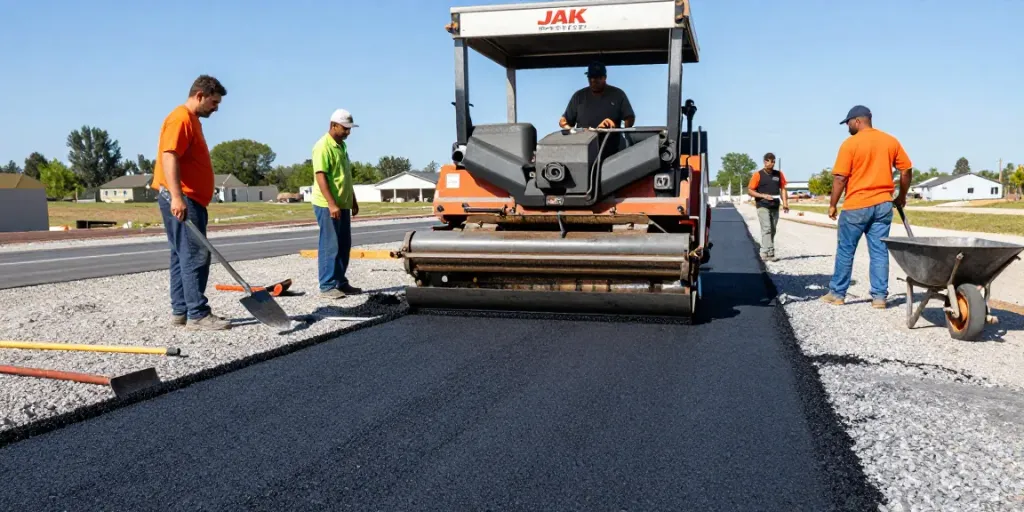
- Rollers for compaction
- Dump trucks for material transport
- Temperature gauges for monitoring
Case Studies: JAK Paving's Success Stories
JAK Paving has a proven track record of successful asphalt paving projects across various sectors, exemplifying best practices in the industry.
Residential Paving Projects: Homeowner Satisfaction
One notable project involved a homeowner seeking to revamp their deteriorating driveway. JAK Paving utilized high-quality materials and precise installation techniques, resulting in a smooth, durable surface that not only enhanced the home's curb appeal but also provided lasting functionality.
Commercial Asphalt Solutions: A Business Perspective
JAK Paving successfully completed a large parking lot for a local shopping center, incorporating proper drainage solutions and high-traffic design considerations. The project was completed on schedule, minimizing disruptions to the business operations.
Innovative Techniques Used by JAK Paving
Utilizing advanced techniques such as infrared asphalt repair and permeable paving, JAK Paving stands at the forefront of innovation in asphalt solutions. These methods not only improve the longevity of the pavement but also address contemporary sustainability concerns.
The Future of Asphalt Paving: Trends for 2026
As the paving industry evolves, several trends are emerging that are set to shape the future of asphalt paving.
Emerging Technologies in Paving
New technologies such as 3D paving control systems and smart pavement materials are enhancing the quality and efficiency of asphalt paving. These innovations are leading to more precise installations and improved outcomes for various paving projects.
Sustainability Practices in Asphalt Production
The environmental impact of asphalt production is gaining attention. Companies like JAK Paving are adopting eco-friendly practices, including using recycled asphalt and minimizing emissions during production, contributing to a more sustainable future.
Predictions for Asphalt Paving in the Next Decade
Looking ahead, the asphalt industry is likely to see a push towards greater sustainability, advanced technology integration, and a focus on durability and performance. As demands for efficient and high-quality paving solutions increase, companies will need to adapt to remain competitive.
What services does JAK Paving offer?
JAK Paving provides comprehensive asphalt paving services, including installation, maintenance, and repair for both residential and commercial projects. Their team is experienced in handling various types of paving needs, ensuring high-quality results.
How can I maintain my asphalt pavement?
Regular maintenance is crucial for extending the life of asphalt surfaces. This includes sealing cracks, applying sealcoating, and ensuring proper drainage. Property owners should schedule routine inspections to identify potential issues early.
What are the costs associated with asphalt paving?
The cost of asphalt paving can vary widely based on factors such as the size of the project, the type of asphalt used, and site conditions. Typically, asphalt paving is considered cost-effective when balanced against its longevity and durability.
What factors influence asphalt paving durability?
Several factors influence the durability of asphalt surfaces, including proper installation techniques, quality of materials, subgrade conditions, and ongoing maintenance practices. Each of these elements contributes to the overall performance of the paved surface.
How does weather affect the paving process?
Weather plays a significant role in the paving process, affecting the temperature of asphalt and its curing time. Extreme temperatures can hinder the application and performance of asphalt, highlighting the importance of choosing the right time for paving work.