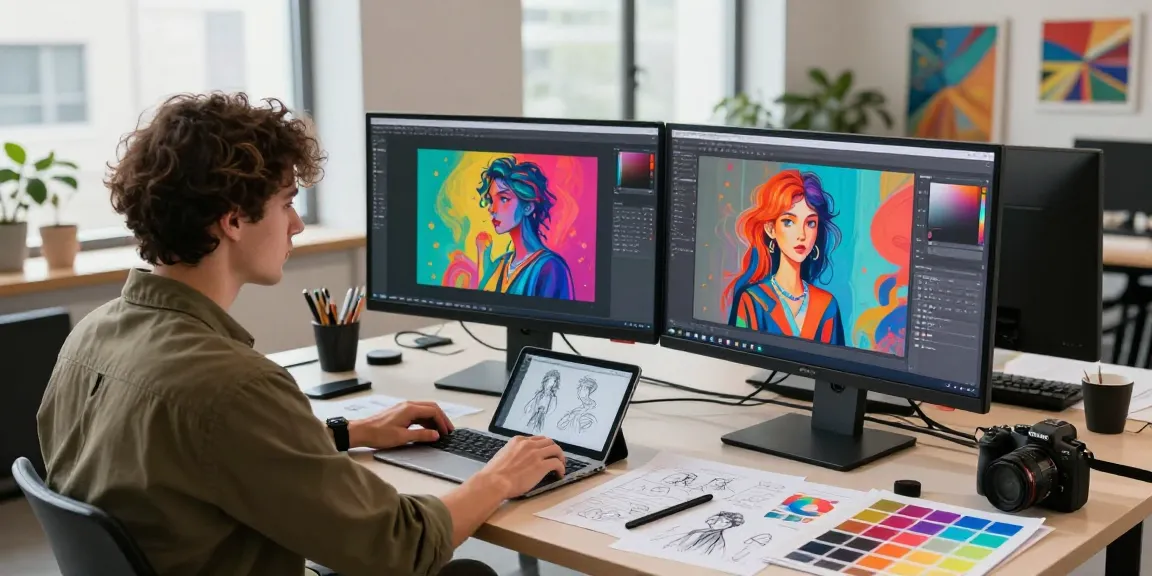
Understanding the Foundations of Arts & Entertainment
The realms of arts and entertainment are interwoven threads that enrich human experience and expression. They represent an essential aspect of culture, creativity, and communication, shaping our society’s values, beliefs, and norms. Understanding the foundations of arts and entertainment requires a deep dive into their definitions, roles, and historical evolution.
Defining Arts: Categories and Forms
Arts encompass a broad spectrum of creative expressions, categorized into various forms that resonate with different audiences. The major categories of arts include visual arts, performing arts, and literary arts, each with unique characteristics and mediums.
- Visual Arts: This includes painting, sculpture, photography, and digital media. Artists express themselves through visual stimuli, creating works that can be interpreted in myriad ways.
- Performing Arts: Theatre, dance, and music fall under this category. These forms are characterized by live performances that engage audiences directly, often invoking emotional responses.
- Literary Arts: This category encompasses written works, including poetry, novels, and screenplays. Literature serves as a vehicle for storytelling, conveying human experiences and emotions through words.
Each of these categories not only serves as a medium for expression but also reflects the cultural and social dynamics of the time in which they are created.
The Role of Entertainment in Society
Entertainment plays a crucial role in society, serving as a source of amusement, relaxation, and social connection. It allows individuals to escape from their everyday lives, offering a window into different worlds and experiences. Furthermore, entertainment fosters community-building and cultural exchange through shared experiences.
For instance, live performances, such as concerts and theatre productions, bring people together, creating a sense of belonging. Studies show that participating in cultural activities can enhance social cohesion and community identity, contributing to overall well-being.
Historical Evolution of Arts and Entertainment
The evolution of arts and entertainment is a reflection of societal changes throughout history. From ancient cave paintings to the rise of digital media, each era has contributed to the development of artistic expressions.
In ancient civilizations, such as Egypt and Greece, art was often intertwined with religion and mythology, serving both decorative and narrative functions. The Renaissance marked a significant turning point, emphasizing humanism and the beauty of the human form in art. The invention of the printing press in the 15th century democratized literature, allowing for broader dissemination of ideas.
In the 20th century, the emergence of film, television, and digital media revolutionized entertainment, making it more accessible to global audiences. Today, streaming platforms and social media have transformed how we consume and engage with arts and entertainment, blurring the lines between creator and consumer.
Exploring Different Mediums in Arts & Entertainment
As we explore the various mediums within arts and entertainment, it becomes evident that each form possesses its distinct methods of conveying messages and emotions. Understanding these mediums not only enhances appreciation but also informs creators on how to best express their visions.
Visual Arts: Painting, Sculpture, and Digital Media
Visual arts have long been a cornerstone of human expression, evolving from traditional techniques to encompass modern digital innovations. Artists leverage visual arts to communicate complex ideas and evoke emotions through colors, forms, and compositions.
Painting remains a powerful medium, with techniques ranging from oil and watercolor to acrylics. For example, the works of Vincent van Gogh, characterized by vibrant colors and emotional depth, continue to inspire contemporary artists.
Sculpture allows for three-dimensional expression. Celebrated sculptors like Michelangelo showcased mastery in creating lifelike forms from marble. Today, artists are experimenting with materials such as metal, glass, and even recycled products, pushing the boundaries of what sculpture can be.
Digital Media has revolutionized the visual arts landscape. Artists now utilize software and digital tools to create stunning visuals, animations, and interactive installations. Platforms like Instagram and Behance serve as both galleries and marketplaces for emerging artists.
Performing Arts: Theatre, Dance, and Music
The performing arts encompass a dynamic range of expressions that engage audiences in real-time. Theatre, dance, and music are not only forms of entertainment but also powerful means of storytelling and cultural expression.
Theatre combines various elements such as acting, directing, and stage design to create immersive narratives. Landmark productions like “Hamilton” have redefined musical theatre, blending history with contemporary music styles and diverse casting.
Dance is a universal language that transcends cultural boundaries. From ballet to hip-hop, dance reflects societal changes and personal stories. Companies like the Alvin Ailey American Dance Theater emphasize the importance of diversity in dance, showcasing stories from the African-American experience.
Music is deeply ingrained in human culture, serving as a medium for emotional expression and social commentary. Genres such as rock, jazz, and hip-hop have each played pivotal roles in shaping cultural movements. The rise of streaming platforms like Spotify has transformed how artists distribute their music and connect with fans.
Literature and Storytelling: From Novels to Screenplays
Literature is a profound art form that captures human experiences, emotions, and societal issues through storytelling. It encompasses various formats, including novels, poetry, and screenplays, each with its unique structure and purpose.
Novels have long been a vehicle for exploring complex characters and intricate plots. Contemporary authors like Chimamanda Ngozi Adichie and Haruki Murakami have gained international acclaim for their thought-provoking narratives that resonate with a global audience.
Screenplays are the backbone of the film and television industry. Successful screenwriters, such as Aaron Sorkin and Nora Ephron, have mastered the art of dialogue and pacing, creating scripts that translate seamlessly to the screen. Understanding screenplay structure is crucial for aspiring writers, as it dictates the flow of the story.
Poetry serves as a concise and powerful means of expression. Poets like Rupi Kaur have popularized the genre through social media, making poetry accessible to a broader audience and inspiring a new generation of writers.
The Business of Arts & Entertainment
The arts and entertainment industry is not only a space for creativity but also a significant economic driver. Understanding the business side of this industry is essential for artists and creators who wish to thrive and sustain their careers.
Monetization Strategies for Artists and Creators
Monetizing creative work can be challenging, but various strategies can help artists and creators generate income while maintaining their artistic integrity.
- Direct Sales: Artists can sell their work directly to consumers through galleries, online platforms, and art fairs. This approach allows for better profit margins, as intermediaries are eliminated.
- Licensing and Royalties: Creators can license their work for use in films, commercials, or merchandise, earning royalties that provide ongoing revenue.
- Crowdfunding: Platforms like Kickstarter and Patreon allow artists to fund projects through direct contributions from fans, providing a sustainable income source.
- Workshops and Teaching: Many artists supplement their income by offering workshops or classes, sharing their skills and knowledge with aspiring creatives.
By diversifying income streams and leveraging various monetization strategies, artists can build financially sustainable careers in the arts and entertainment sector.
Marketing and Promotion in the Digital Age
The digital age has transformed how artists and entertainers market themselves and their work. An effective marketing strategy is essential for reaching audiences and building a personal brand.
- Social Media: Platforms like Instagram, Facebook, and TikTok serve as powerful tools for artists to showcase their work and connect with fans. Regular engagement and authentic content can significantly increase visibility.
- Email Marketing: Building an email list allows artists to communicate directly with their audience, sharing news, upcoming projects, and exclusive offers.
- Collaborations and Partnerships: Partnering with other artists or brands can expand reach and introduce work to new audiences. Collaborative projects often generate buzz and excitement.
- Content Marketing: Creating valuable content, such as blogs, videos, or tutorials, positions artists as experts in their field and attracts followers interested in their work.
By utilizing these digital marketing strategies, artists can effectively promote their work and build a loyal fan base.
Legal Considerations: Copyrights, Trademarks, and Contracts
Navigating the legal landscape is crucial for artists and creators to protect their intellectual property and ensure fair compensation for their work. Understanding key legal concepts can help prevent disputes and safeguard creative endeavors.
- Copyright: Copyright law protects original works of authorship, granting creators exclusive rights to reproduce, distribute, and display their work. Registering copyrights can provide additional legal benefits.
- Trademarks: Trademarks protect brand names, logos, and slogans that distinguish an artist’s work. Securing a trademark can help prevent others from using similar marks that could confuse consumers.
- Contracts: Clear contracts are essential in the arts and entertainment industry, whether for collaborations, licensing agreements, or employment. Legal agreements should outline the scope of work, compensation, and rights to the created content.
By understanding and addressing these legal considerations, artists can focus on their creative processes with peace of mind.
Technological Innovations Shaping Arts & Entertainment
Technological advancements have dramatically influenced the landscape of arts and entertainment, enabling new forms of expression and consumption. Innovations in technology continue to shape how artists create and audiences engage with their work.
The Impact of Virtual Reality and Augmented Reality
Virtual reality (VR) and augmented reality (AR) are pioneering new frontiers in the arts and entertainment industry. These technologies create immersive experiences that engage audiences in unprecedented ways.
For example, VR art exhibitions allow viewers to step inside a virtual gallery, interacting with artworks in a three-dimensional space. Artists like Marina Abramović have embraced VR to create thought-provoking experiences that challenge perceptions of reality.
AR applications, such as those used in mobile games like Pokémon GO, overlay digital content onto the real world, merging physical and virtual experiences. This technology has opened new avenues for interactive storytelling in both gaming and live performances.
Streaming Services and Their Influence on Consumption
The rise of streaming services has transformed how audiences consume arts and entertainment. Platforms like Netflix, Hulu, and Disney+ have revolutionized the film and television industry, making content more accessible than ever.
According to a report by Statista, as of 2023, the global video streaming market is projected to reach over $70 billion. This shift has led to changes in viewing habits, with audiences favoring on-demand content that fits their schedules.
Moreover, streaming services have provided opportunities for diverse storytelling, allowing lesser-known creators to share their work with a global audience. The success of original programming on platforms like Netflix demonstrates the potential for innovative storytelling in the streaming era.
Artificial Intelligence in Creation and Curation
Artificial intelligence (AI) is increasingly playing a role in both the creation and curation of arts and entertainment. From generating music and visual art to recommending content, AI is reshaping the creative landscape.
AI algorithms can analyze vast amounts of data to predict trends and assist artists in the creative process. For instance, tools like OpenAI’s DALL-E can generate images based on text prompts, showcasing the potential for AI-assisted creativity.
In curation, streaming services use AI to personalize recommendations, enhancing user experience and engagement. By analyzing viewing habits, these platforms can suggest content tailored to individual preferences, fostering deeper connections between audiences and creators.
Future Trends and Opportunities in Arts & Entertainment
The future of arts and entertainment is filled with exciting trends and opportunities. As technology continues to evolve and societal norms shift, new possibilities for creative expression and audience engagement will emerge.
Emerging Genres and Trends to Watch
As the landscape of arts and entertainment evolves, new genres and trends are gaining prominence. For instance, the rise of immersive experiences, such as escape rooms and interactive theatre, invites audiences to participate actively in storytelling.
Additionally, genres like podcasting have exploded in popularity, offering a new medium for storytelling and information sharing. According to Edison Research, over 50% of Americans have listened to a podcast, illustrating the format’s widespread appeal.
Furthermore, the fusion of genres—such as musicals that incorporate elements of hip-hop or digital art that integrates performance—continues to blur the lines between traditional classifications, expanding creative possibilities.
The Role of Diversity and Inclusion in Content Creation
Diversity and inclusion are increasingly recognized as essential elements in arts and entertainment. Diverse representation not only enriches storytelling but also fosters a sense of belonging for underrepresented communities.
Movements advocating for diversity in casting and storytelling have gained traction, leading to more authentic portrayals of various cultures and experiences. Initiatives like the #OscarsSoWhite movement have sparked conversations about representation in film, prompting industry changes.
Moreover, inclusive practices benefit artists and creators by broadening their audiences and fostering innovation through diverse perspectives. The success of films like “Black Panther” and “Crazy Rich Asians” demonstrates the commercial viability of inclusive storytelling.
Globalization: Cross-Cultural Collaborations and Influences
Globalization has facilitated cross-cultural collaborations in arts and entertainment, breaking down barriers and fostering creative exchanges. Artists from different backgrounds are increasingly collaborating, leading to unique and innovative works.
For example, the rise of K-pop has showcased how cultural influences can transcend borders, with artists like BTS achieving international acclaim. This phenomenon highlights the potential for global audiences to connect with diverse forms of artistic expression.
Furthermore, collaborative projects between artists from different countries—such as co-productions in film and joint exhibitions in visual arts—enrich the creative landscape, allowing for a fusion of styles and ideas that resonate with a broader audience.